
Farming in Uttar Pradesh
Uttar Pradesh is India's largest agricultural state: sugarcane, wheat, potato and mango at enormous scale, farmed mostly by smallholders.
What grows in Uttar Pradesh
Wheat
Rabi. Main risk: Rust. About 400 mm of water a season.
Wheat guideSugarcane
Annual (12-18 month crop). Main risk: Red Rot. About 1500 mm of water a season.
Sugarcane guideRice
Kharif (plus Rabi/boro in the east and south). Main risk: Blast. About 1200 mm of water a season.
Rice guidePotato
Rabi. Main risk: Late Blight. About 500 mm of water a season.
Potato guideMango
Perennial (flowering December-February). Main risk: Anthracnose. About 800 mm of water a season.
Mango guidePeas
Rabi. Main risk: Powdery Mildew. About 300 mm of water a season.
Peas guide
How satellite advice works in Uttar Pradesh
Watch is free for any field in Uttar Pradesh. You need WhatsApp and your field's location; nothing is installed in the field.
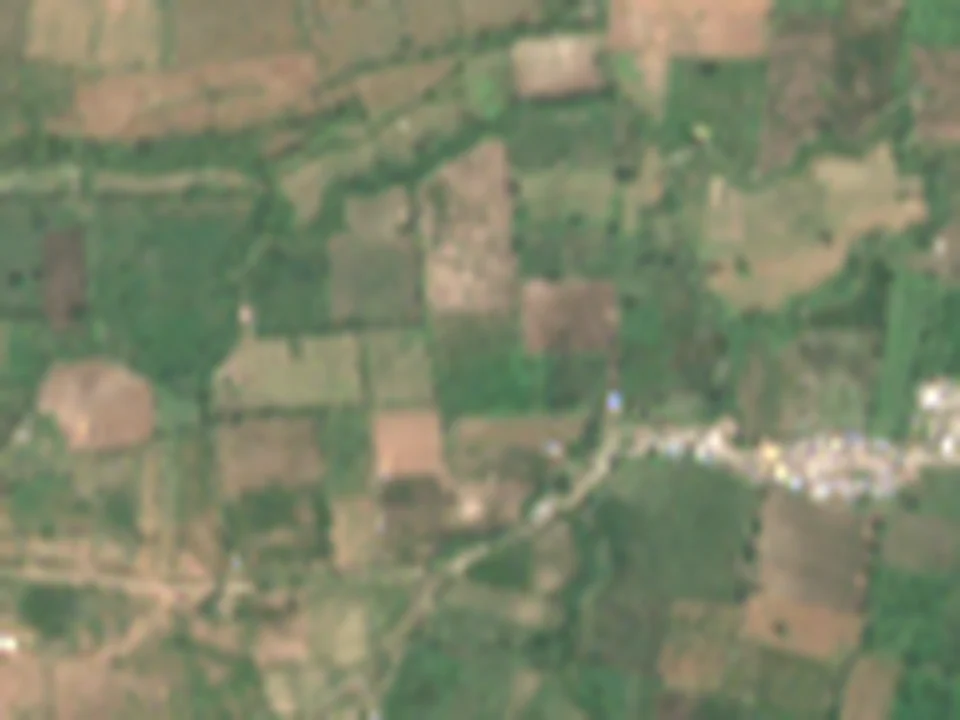
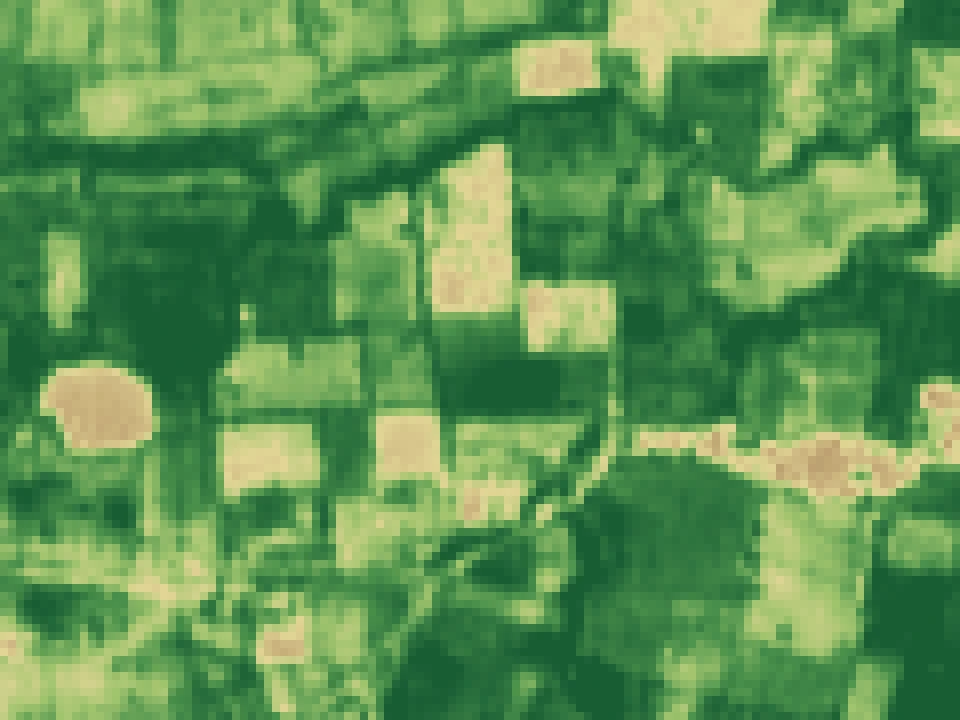 1.2 km × 0.9 km · each square 10 m
A real Sentinel-2 view of farmland near Katol, Maharashtra. The same 10 m view is available for any field in Uttar Pradesh.
Your own field
We read the Sentinel-2 pixels inside your field boundary and compare them with your field's own history, so the message is about your field, not your district.
Through the monsoon
When cloud hides the field for weeks, Sentinel-1 radar still shows standing water and the growth trend, and the message says what it could not see.
Water and weather timing
The village forecast and FAO-56 crop-water methods help time irrigation and field checks, week by week.
How each message is computed, and what the satellite cannot see: methods and evidence.
Farming in Uttar Pradesh: common questions
Which crops are grown most in Uttar Pradesh?
The main crops include Wheat, Sugarcane, Rice, Potato, Mango, Peas. Each has a guide with its season, water need and main risks.
Does VarshaKrishi work in Uttar Pradesh?
Yes. The free Watch plan covers any field in Uttar Pradesh: one WhatsApp message a week about your own field, built from satellite images and the weather. You need WhatsApp and your field's location; nothing is installed in the field.
What does it cost?
Watch is free for every farmer in India. Decide, the crop-specific plan with irrigation timing, opens crop by crop after an agronomist reviews each crop model; farmers buy a season pass or a partner sponsors it.
What happens in the monsoon when clouds hide the field?
Sentinel-1 radar sees through cloud and still shows standing water and the growth trend. When the satellite cannot see your field clearly, the message says so instead of guessing.
Neighbouring states
Get a weekly message about your own field.
Free for any field in Uttar Pradesh, in Marathi, Hindi or English.