Watch: free for everyone
Changes on your field, the weather, and a clear note when the satellite cannot see. For any field in India.
For orange orchards and fields Nagpur, Vidarbha
One WhatsApp message a week about your own field: what the satellite saw, what the weather says, and what to check. Free for every farmer.
Call us · +91 86688 40167Call between 10:00 and 18:00 IST, Monday to Saturday. If we miss the call, we call back.
Who you are callingTanmay SahareFounder, VarshaKrishi. We work from Nagpur.
Registration for the 2026-27 season is open. Call us and we will add your field.
 VarshaKrishi
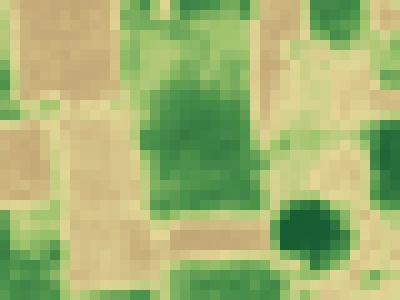 A real field near Katol · 10 May 2026
Real sample: A real field near Katol · 10 May 2026. Contains modified Copernicus Sentinel data, processed by VarshaKrishi.
Three sample messages (examples, not real messages). Every message carries a date and a source and stays under 300 characters.
A Watch message never names a fertiliser, a pesticide or an irrigation amount. Those come only in Decide, only for crops an agronomist has reviewed.
Changes on your field, the weather, and a clear note when the satellite cannot see. For any field in India.
When to irrigate, where the stress is, by when to act. Only for crops whose model an agronomist has reviewed. Three ways to get it:
Watch is free. The Decide price is told to you before you join, and you never pay for something you did not choose.
A real field near Katol: scroll to see how it is found, read from space, compared with its own past and turned into a message.
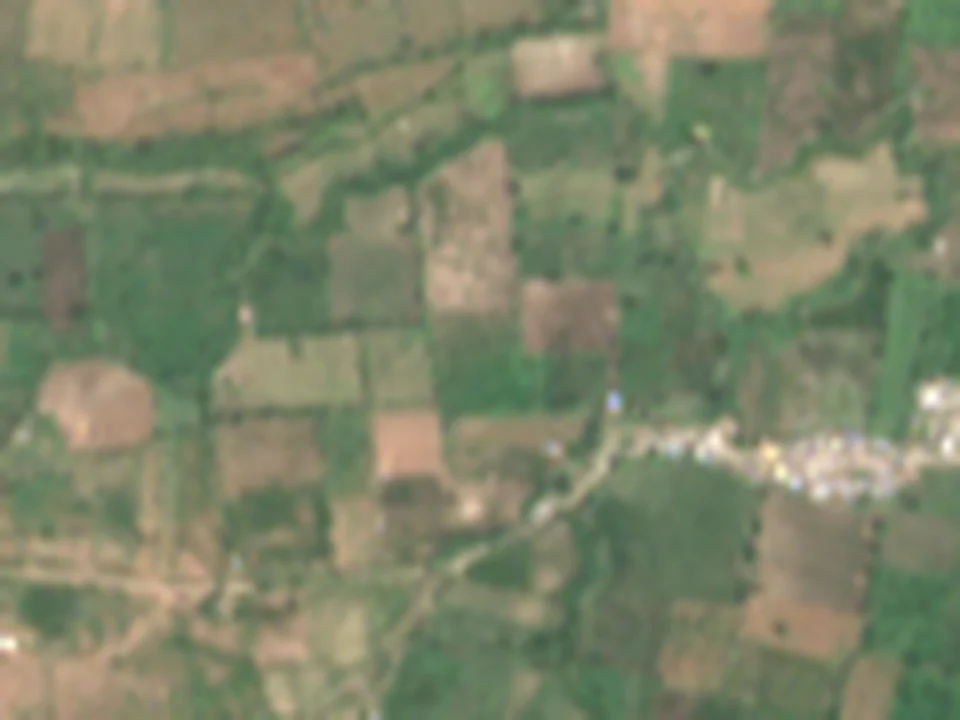
Send your location on WhatsApp or tell us on a call. We draw the boundary with you. This one is a 3.2-acre field near Katol.
The European Sentinel-2 satellites photograph every field in India every five days or sooner, including light the eye cannot see. Cloudy passes are set aside.
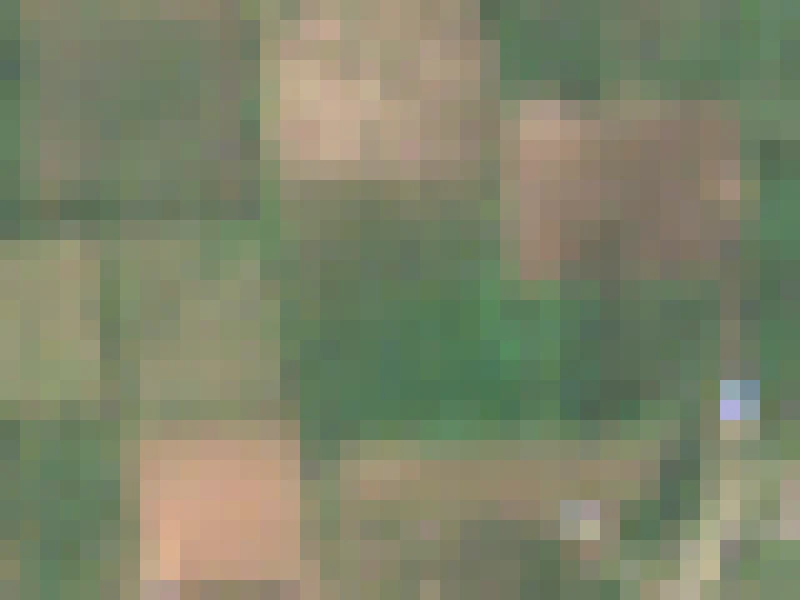
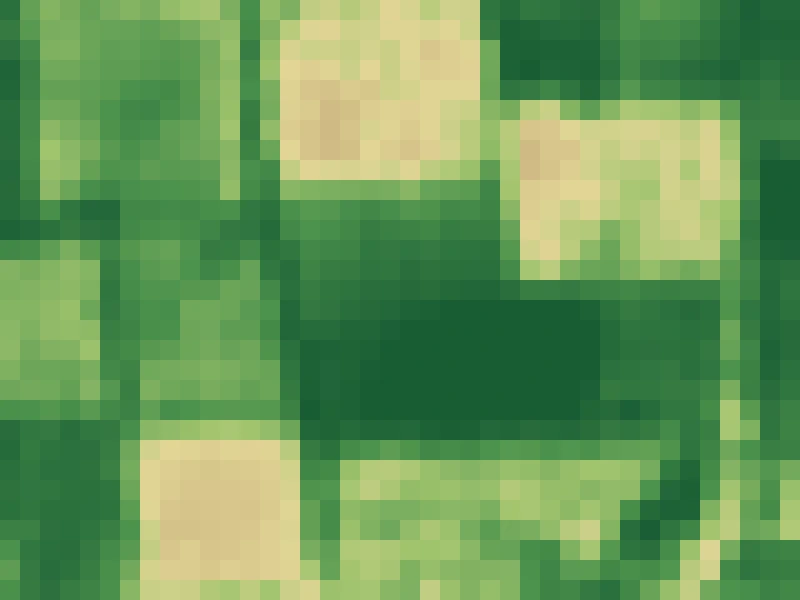
Each square is 10 m by 10 m. This field is 129 squares. Your advice comes from these, not from a district average.
Leaves reflect near-infrared light strongly. The ratio, called NDVI, shows how dense and active the canopy is. Darker green means denser leaves.
Every clear pass for a year, this field against the fields around it. On 20 May its greenness fell 38% in ten days, faster than its neighbours. That is what a message is for.
What changed and what to check this week, in Marathi, Hindi or English, on the phone you already have.
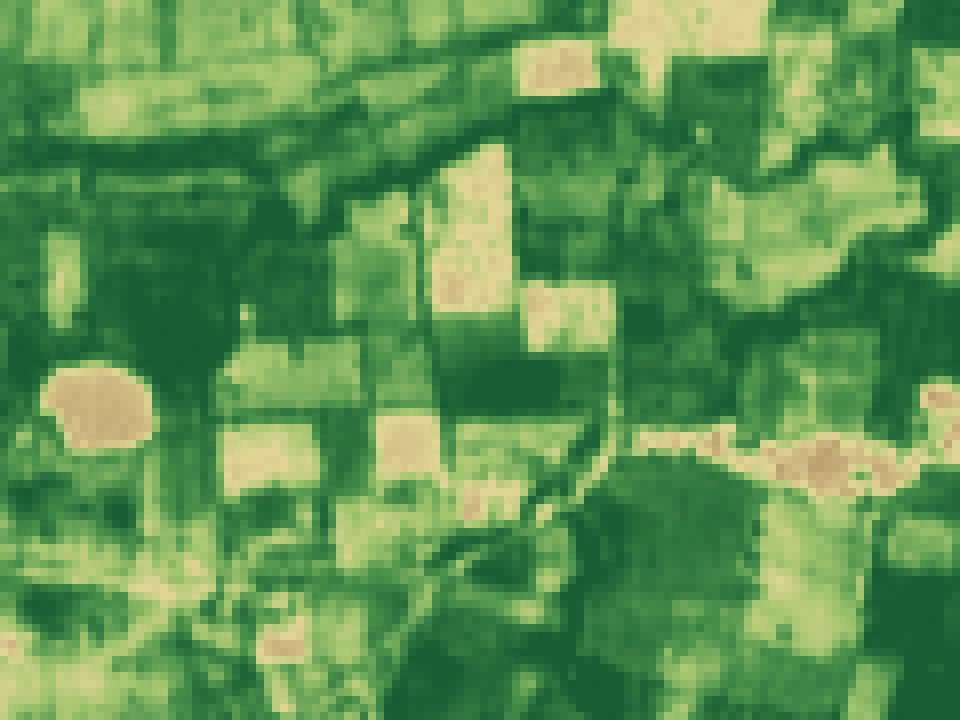
Real satellite images of one field near Katol (outlined), four times a year. Each square is 10 m by 10 m. Top: as the eye sees it. Bottom: greenness (dark green is dense, healthy canopy).
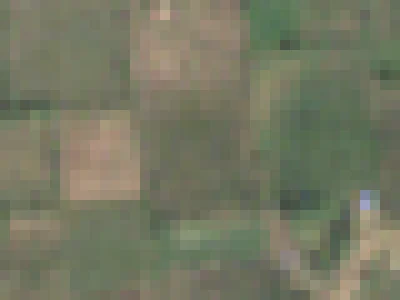
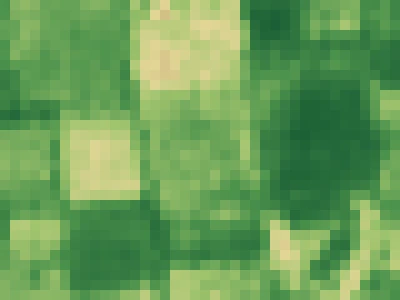 NDVI 0.53
Winter. Many orchards are kept dry before the ambia bahar.
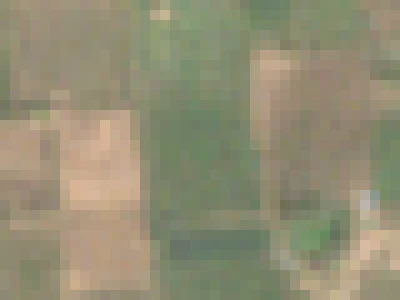
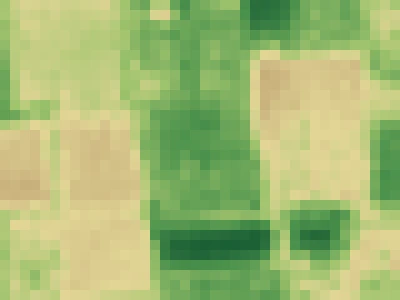 NDVI 0.55
Water restored, flowering. Rabi fields maturing.
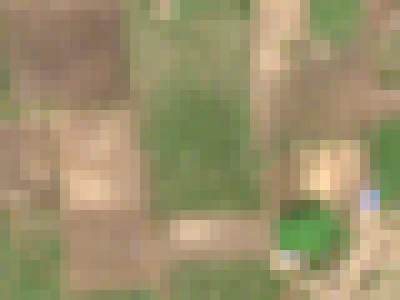 NDVI 0.61
Peak summer. Only irrigated blocks stay green.
NDVI 0.74
After the monsoon. Kharif crops and orchards in full leaf.
Press the button above to call. Tell us your village and crop. We will ask for your field's location.
Your group can register together. Show the partners page to your group's coordinator.
When a farmer in your village becomes a guide, they will be able to show you the service. They will have your village's link.
No. Watch is for any field and any crop in India. Decide opens first for orange growers in Vidarbha, after an agronomist has reviewed the crop model.
We ask for your village and crop, record your field's location and ask for your consent in your language. Weekly messages start when the first season starts. A new field first needs a few clear days to build its baseline.
VarshaKrishi Udhyog Pvt. Ltd., a company working from Nagpur, recognised as a startup by the Government of India's DPIIT (DIPP255998). Founder: Tanmay Sahare. The phone number on this page is ours.
Watch is free for everyone. Decide has a price, which is published only after the first cohort has paid it.
A phone with WhatsApp and your field's location. Nothing else. No device is installed in the field.
Only in Decide, and only for a crop an agronomist has reviewed. Watch tells you what changed and what to check.
Then we say so plainly. We never send a made-up report. Radar can still tell us whether water is standing.
We ask for your consent in your language when you join. We do not sell your field data. You can stop at any time.
Marathi, Hindi or English, whichever you choose. We have checked the Marathi and Hindi text with AI assistance; an agronomist and farmers have not yet reviewed it.
Our WhatsApp number is not live yet. Until it is, register by phone call. When the number goes live, a WhatsApp button appears on this page.
Proof: a year of satellite readings for one field near Katol, free for anyone to download.
How we compute this, from which sources, and with what limits: the methods page.
Last checked (AI-assisted): 15 Oct 2026. Checked on 15 Oct 2026 against published FAO and ICAR guidance with AI assistance. Not yet reviewed by an agronomist or tested with farmers.