
Library · Crop guides · Pulse or oilseed
Groundnut farming guide for India
Groundnuts require adequate moisture during peg penetration; hard, dry soil prevents pod formation.
Key numbers
- SeasonKharif and summerabout 120 days
- Water over the seasonabout 500 mmrain and irrigation together
- Soil pH6.0 to 6.5NPK guide 20:60:40
- Main riskCollar Rotsee the watchlist below
Typical values for India. Your soil test and your local KVK's advice come first.
When and where groundnut is grown
Groundnut is grown as a Kharif and summer crop in India: June-July or January-February sowing.
Leading states: Gujarat, Rajasthan, Tamil Nadu. Soil moisture is best kept around 40 to 60% of capacity for most of the season.
What to watch on your field
What a weekly satellite and weather view of your own field shows at each stage, and when to walk the field.
Emergence
Look for gaps in the stand: crusting or a dry seed zone after sowing shows up as thin greenness in parts of the field.
Branching
Steady growth is the goal. Over-watering at this stage drives leaves at the cost of flowers and pods.
Flowering and pod set
The biggest yield risk is heat or a dry spell at flowering, which drops flowers. Watch the forecast and the field closely.
Pod fill
One missed irrigation in a dry spell during pod fill costs the most; a protective irrigation here pays back.
The main risks for groundnut
Most of these follow the weather. A risky week is a reason to inspect the crop, not to spray by default.
For any spray or dose, ask your KVK or an agronomist. VarshaKrishi's free Watch plan never names a product.
- Collar RotThe main risk for this crop in India.
- Tikka leaf spotEarly and late leaf spot follow humid canopies.
- White grubSoil pest.
Watering groundnut well
Most pulses and oilseeds need only one or two protective irrigations, at flowering and pod fill, when rain fails. Avoid waterlogging, which these crops tolerate poorly.
Crop water use follows the FAO-56 method: the weather sets a reference demand, and the crop's stage sets how much of it the crop uses. That is why the same field needs different amounts in different weeks.
A weekly message about your own groundnut field.
Watch is free for any field in India: what changed on your field this week, the weather for your village, and a clear note when the satellite cannot see. Decide opens crop by crop after an agronomist reviews each crop model.
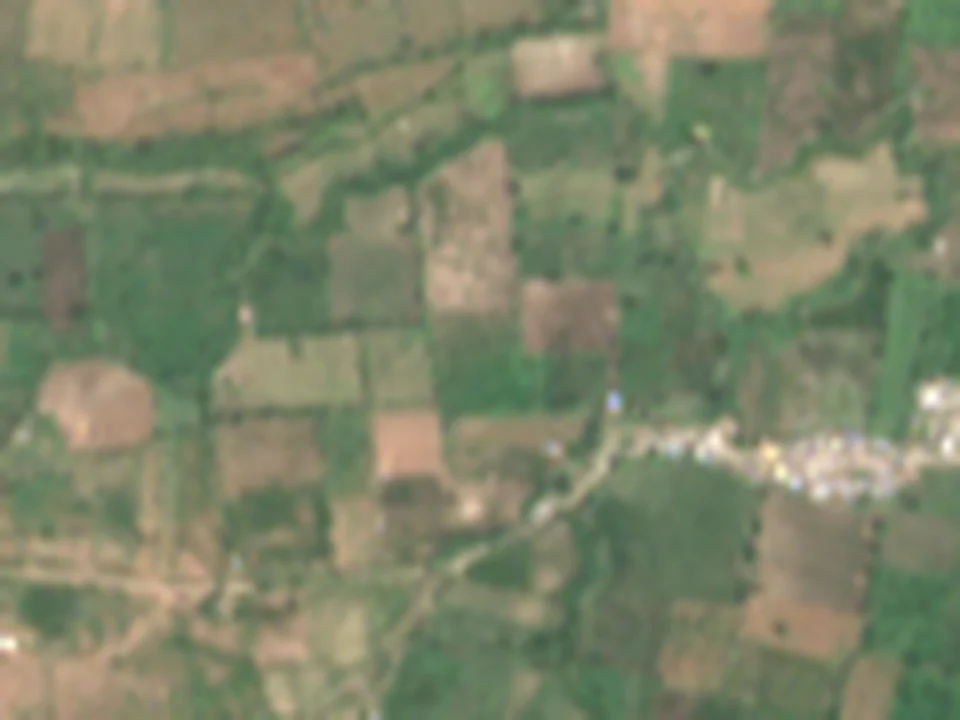
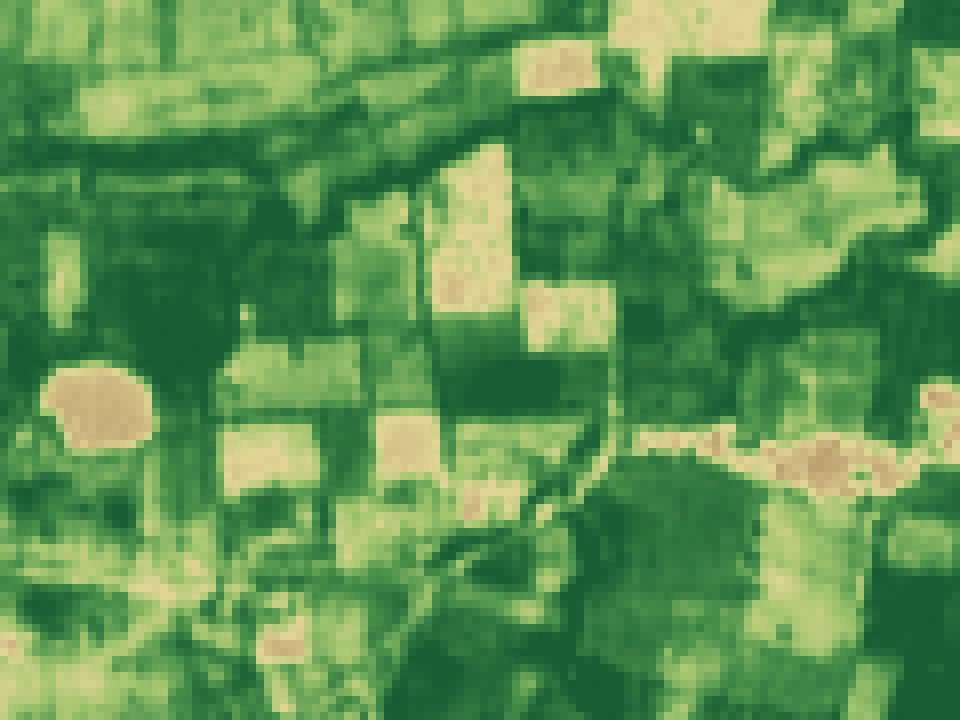 1.2 km × 0.9 km · each square 10 m
- Your own field, every week.The squares inside your boundary, compared with your field's own history.
- A clear note when it cannot see.Cloudy weeks and very small plots are named, not guessed.
- Free on Watch.In Marathi, Hindi or English, on WhatsApp.
How each message is made, from which satellites and with which limits: methods and evidence. A real field's year of Sentinel-2 readings, free to download: open data.
Groundnut: common questions
What soil pH does groundnut need?
Groundnut grows best at a soil pH between 6.0 and 6.5. A soil test before the season is the reliable way to know your own field.
How much water does groundnut need?
About 500 mm over a season of roughly 120 days, from rain and irrigation together. The real need changes with the weather, the soil and the crop's stage, which is why it helps to track your own field week by week.
What is the main disease or pest risk for groundnut?
Collar Rot is the main risk. Most risks follow the weather, so a risky week is a reason to inspect the crop. Ask your KVK or an agronomist before any spray.
When is groundnut grown in India?
Groundnut is grown as a Kharif and summer crop: June-July or January-February sowing.
Which states grow the most groundnut?
Leading states include Gujarat, Rajasthan, Tamil Nadu. VarshaKrishi's free Watch plan covers any field in these states: you need WhatsApp and your field's location, nothing installed in the field.