
Library · Crop guides · Vegetable
Chili farming guide for India
Chilies require controlled mild moisture stress to increase capsaicin limits and yield quality.
Englishहिन्दी
Key numbers
- SeasonKharif and Rabiabout 150 days
- Water over the seasonabout 500 mmrain and irrigation together
- Soil pH6.0 to 7.0NPK guide 100:50:50
- Main riskLeaf Curlsee the watchlist below
Typical values for India. Your soil test and your local KVK's advice come first.
When and where chili is grown
Chili is grown as a Kharif and Rabi crop in India: June-July or September-October transplanting.
Leading states: Andhra Pradesh, Telangana, Madhya Pradesh. Soil moisture is best kept around 40 to 60% of capacity for most of the season.
What to watch on your field
What a weekly satellite and weather view of your own field shows at each stage, and when to walk the field.
Nursery and transplanting
Keep the root zone evenly moist for the first ten days after transplanting to reduce transplant shock.
Vegetative growth
Even greenness across the beds means even watering and feeding; a lagging bed is worth checking.
Flowering and fruit set
Short heat or humidity spikes cause flower and fruit drop and disease. Watch the forecast in this window.
Harvest
Keep watering regular between pickings; irregular watering causes cracking and lower grades.
The main risks for chili
Most of these follow the weather. A risky week is a reason to inspect the crop, not to spray by default.
For any spray or dose, ask your KVK or an agronomist. VarshaKrishi's free Watch plan never names a product.
- Leaf CurlThe main risk for this crop in India.
- AnthracnoseFruit rot after humid spells.
- Thrips and leaf curlWarm dry spells drive both the vector and the virus it spreads.
Watering chili well
Drip with regular, light irrigation suits most vegetables. Watering on a steady rhythm matters more than the amount on any one day.
Crop water use follows the FAO-56 method: the weather sets a reference demand, and the crop's stage sets how much of it the crop uses. That is why the same field needs different amounts in different weeks.
A weekly message about your own chili field.
Watch is free for any field in India: what changed on your field this week, the weather for your village, and a clear note when the satellite cannot see. Decide opens crop by crop after an agronomist reviews each crop model.
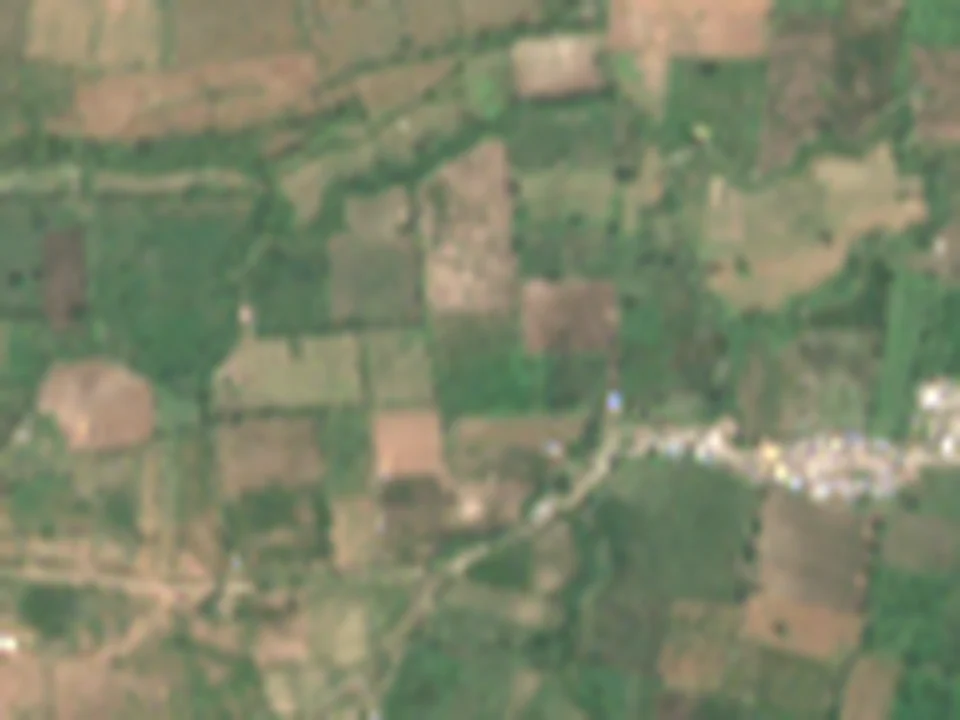
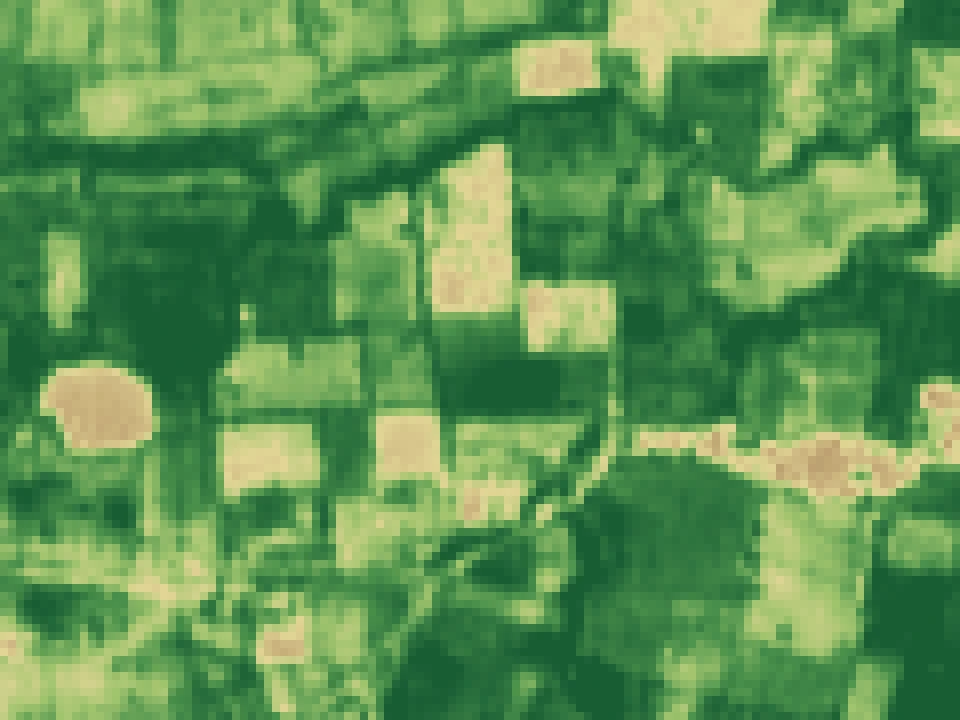 1.2 km × 0.9 km · each square 10 m
- Your own field, every week.The squares inside your boundary, compared with your field's own history.
- A clear note when it cannot see.Cloudy weeks and very small plots are named, not guessed.
- Free on Watch.In Marathi, Hindi or English, on WhatsApp.
How each message is made, from which satellites and with which limits: methods and evidence. A real field's year of Sentinel-2 readings, free to download: open data.
Chili: common questions
What soil pH does chili need?
Chili grows best at a soil pH between 6.0 and 7.0. A soil test before the season is the reliable way to know your own field.
How much water does chili need?
About 500 mm over a season of roughly 150 days, from rain and irrigation together. The real need changes with the weather, the soil and the crop's stage, which is why it helps to track your own field week by week.
What is the main disease or pest risk for chili?
Leaf Curl is the main risk. Most risks follow the weather, so a risky week is a reason to inspect the crop. Ask your KVK or an agronomist before any spray.
When is chili grown in India?
Chili is grown as a Kharif and Rabi crop: June-July or September-October transplanting.
Which states grow the most chili?
Leading states include Andhra Pradesh, Telangana, Madhya Pradesh. VarshaKrishi's free Watch plan covers any field in these states: you need WhatsApp and your field's location, nothing installed in the field.